
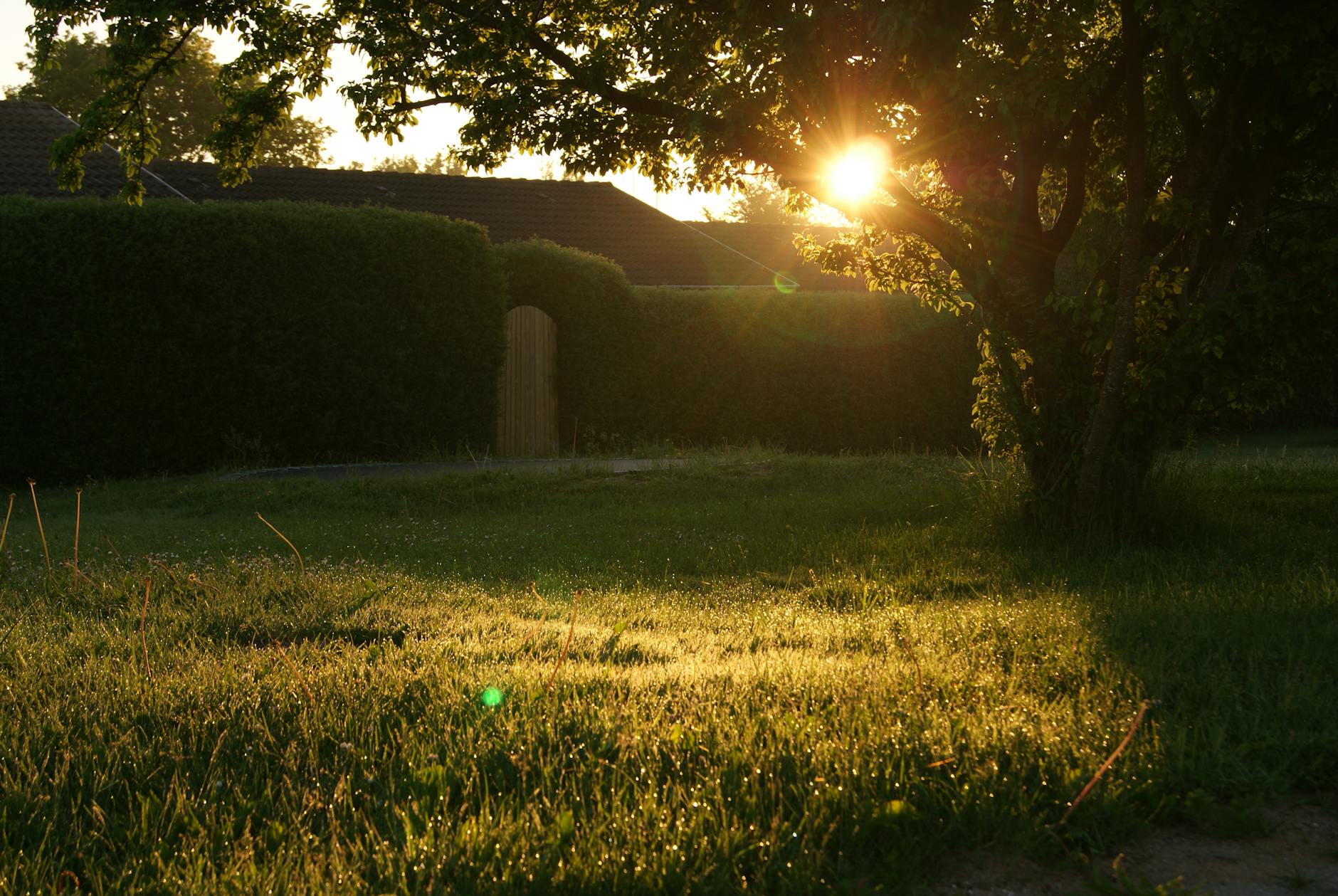
Living near wildlife-rich areas like the Greater Yellowstone Ecosystem is a privilege—but it comes with responsibility. Simple actions around your home can make a big difference in reducing conflict and keeping wildlife safe.
Start with trash management. Secure bins with wildlife-proof lids and store them indoors when possible. Bears, raccoons, and foxes often return to areas where food is easily accessible.
Next, think about your yard. Compost piles should be properly enclosed, and pet food should be brought inside at night. Bird feeders should be hung away from structures and cleaned regularly to prevent the spread of disease.
Consider using wildlife-friendly fencing—particularly in areas where deer, elk, or pronghorn may roam. Avoid using barbed wire when possible, and leave safe passages for animals to migrate.
Lights are another factor. Motion-activated lights reduce unnecessary illumination and are less disruptive to nocturnal animals. Native landscaping can provide habitat and natural beauty without the need for chemicals that harm pollinators.
Lastly, educate your family and neighbors. Coexistence isn’t a solo act—it’s a community effort.
By making thoughtful choices at home, you become a part of the conservation solution. Living in balance with wildlife starts right in your own backyard.
Leave a Reply