
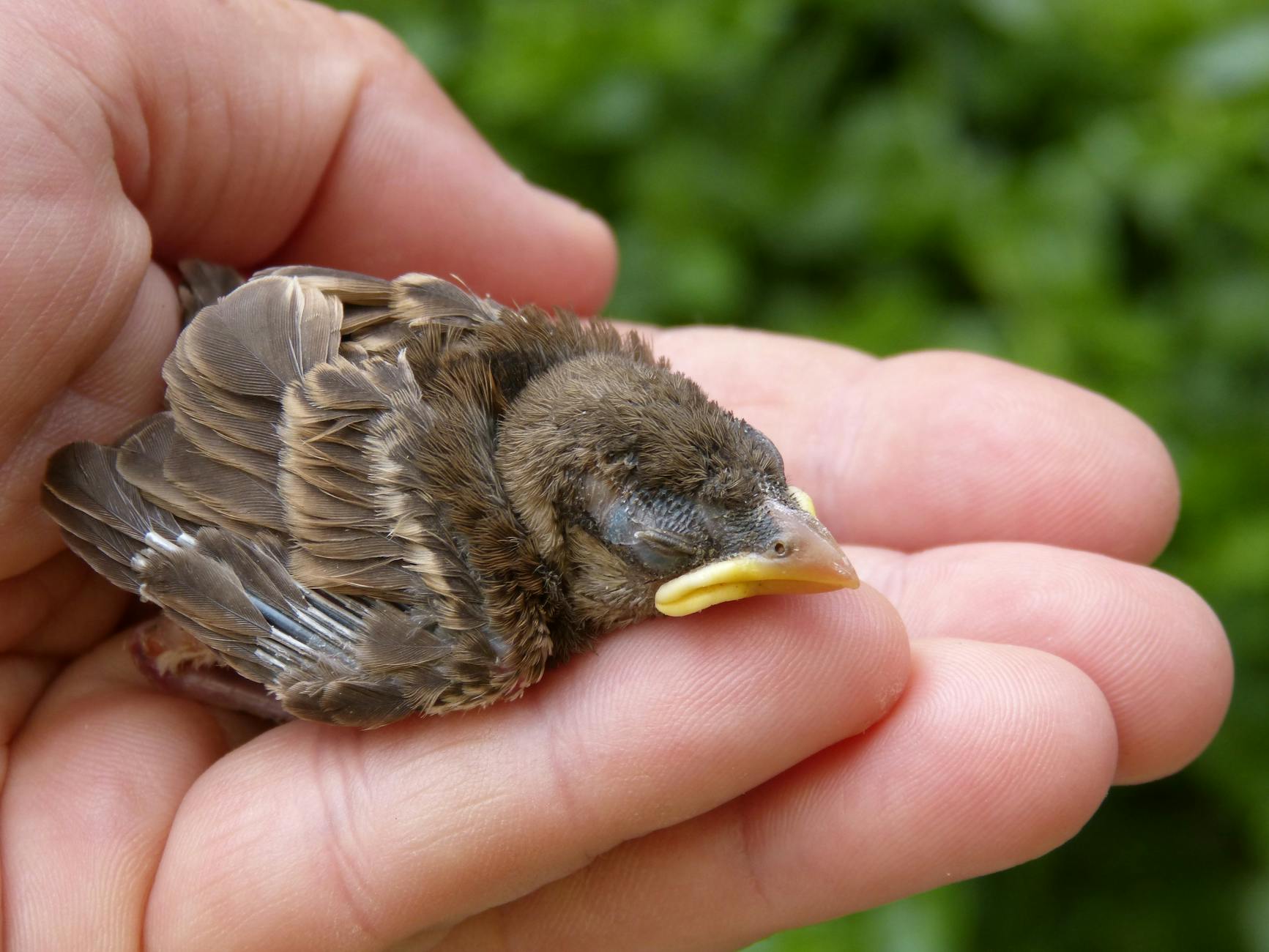
When a call comes in reporting injured or distressed wildlife, every second counts. Our trained response teams at Keystone Wildlife Coalition are ready to act quickly, safely, and with the animal’s best chance of survival in mind.
Here’s what typically happens:
- Initial Call & Assessment: A member of the public—or a partnering agency—calls our hotline. We gather details: species, condition, location, and whether the animal poses a danger to itself or others.
- Dispatch: A trained responder is sent out with specialized equipment, including gloves, stretchers, and secure crates. If the situation is severe, we coordinate with local vets or wildlife rehab centers.
- Capture & Stabilization: Using low-stress techniques, the animal is carefully contained. We monitor for shock, bleeding, or trauma before transporting.
- Transport: The animal is taken to a veterinary facility, partner rehabilitation center, or—in some cases—a sanctuary. Our team maintains communication throughout to ensure continuity of care.
Each rescue is different. One day might involve retrieving an injured owl from a roadside, another could be relocating a young bear too close to a human settlement. But every action is guided by compassion, science, and safety—for both animals and people.
Your donations make these rescues possible. With every call we answer, we’re building a future where wildlife is treated with respect and given a real chance at recovery.
Leave a Reply