
Imagine trying to get home, but there’s a highway in your way. For wildlife, fragmented habitats pose daily challenges—and sometimes deadly ones.
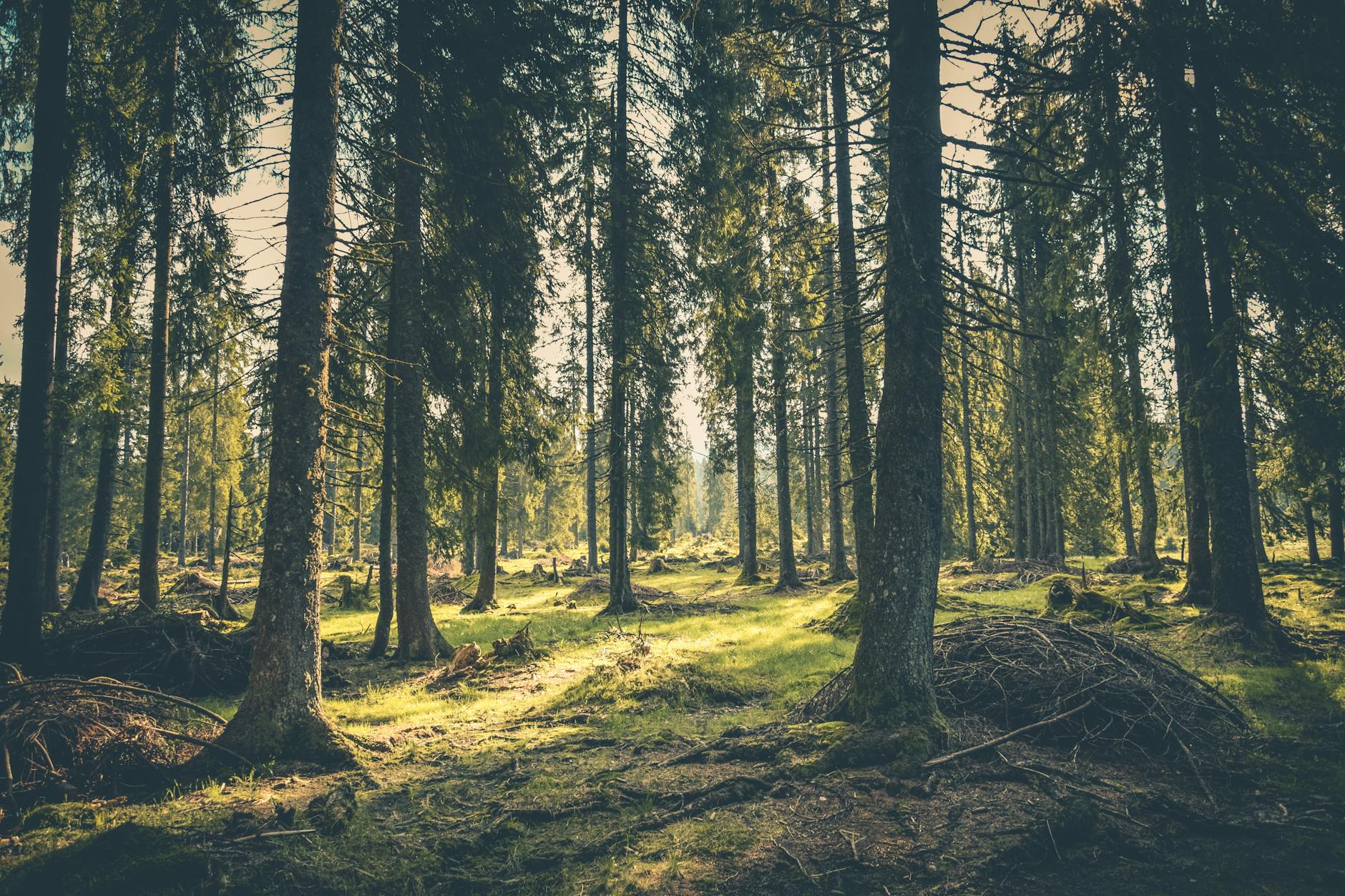
That’s where wildlife corridors come in. These connected pathways allow animals to move safely between habitats for food, breeding, and migration. They can be natural—like riverbanks or treelines—or human-made, like overpasses built above highways.
Why do they matter?
Without corridors, isolated populations face reduced genetic diversity, increased competition, and greater risk of extinction. But with safe passages, species like wolves, elk, cougars, and even small mammals can thrive across broader ranges.
Corridors also reduce human-wildlife conflict. By guiding animals away from roads and residential areas, they minimize the chances of accidents or confrontations.
In the Greater Yellowstone Ecosystem, we support efforts to protect and restore these vital links. It’s not just about connecting patches of land—it’s about preserving the lifelines that sustain entire species.
Every fence removed, underpass built, or forest preserved contributes to a more resilient ecosystem. By supporting corridor conservation, you’re helping wildlife roam freely—as nature intended.
Leave a Reply