
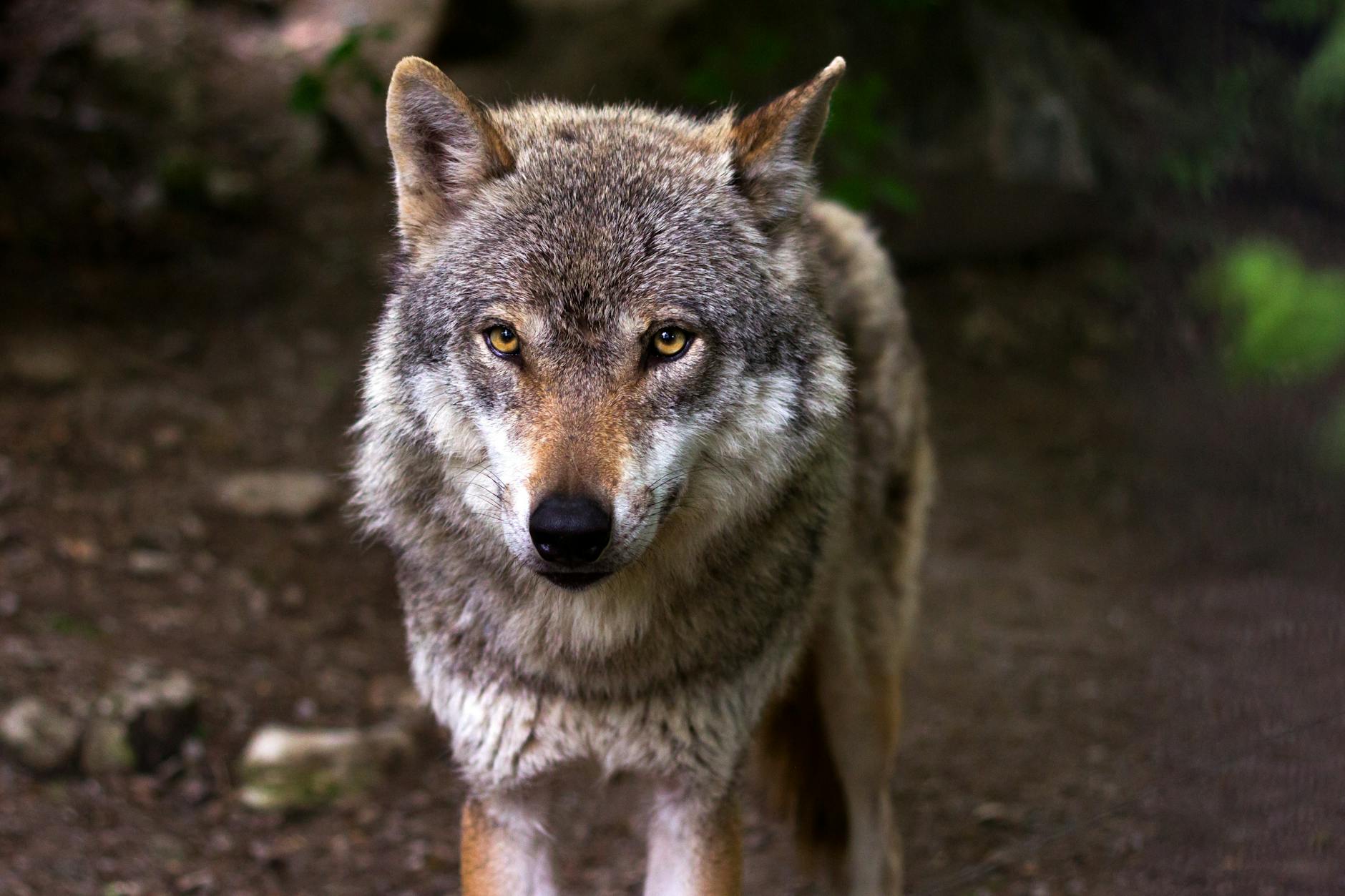
Keystone species are nature’s great influencers. Though they may not always be the most numerous animals in an ecosystem, their presence—or absence—has an outsized impact on everything around them.
Take the gray wolf in Yellowstone, for example. After being reintroduced in the 1990s, their return helped balance elk populations, which had overgrazed vegetation and disrupted habitats. With elk numbers controlled, native plants rebounded, which supported more songbirds, beavers, and other species. This single change triggered a cascade of ecological benefits—a process scientists call a trophic cascade.
Other examples include sea otters, who protect kelp forests by preying on sea urchins, and beavers, whose dams create wetlands that support fish, amphibians, and birds. These animals shape the land and water in ways that help countless other species survive.
Understanding and protecting keystone species isn’t just about saving charismatic animals—it’s about preserving the structure and function of entire ecosystems.
At Keystone Wildlife Coalition, our work focuses on these linchpin species because helping them thrive creates ripple effects across landscapes. When keystone species succeed, biodiversity flourishes.
Leave a Reply